No HIV-specific entry restriction is reported for ordinary tourist visits.
Must I disclose HIV?
Check your visa and arrival forms
Check the health questions on the forms for your passport and trip before applying. If a health question is unclear, ask the authority handling your application what information is required.
Is an HIV test required?
Check your visa’s medical requirements
Before arranging a test, check the requirements for your exact visa and length of stay. Tourist entry and medical screening for work, study or residence can follow different rules.
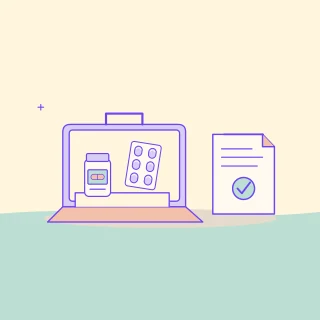
Can I bring HIV medication?
Check quantity and paperwork
Before travelling, confirm the permitted quantity of your exact ART and whether you need a prescription, doctor’s letter or import permit. A local clinic appointment does not authorise you to bring medicines across the border.
What is known about enforcement?
Your border outcome cannot be predicted
Confirm the requirements for your passport, visa and purpose of travel. Individual travellers’ experiences cannot establish how often HIV-related rules are enforced in Moldova.
Residence, work & study
No data
Residence, work and study requirements need further clarification.
Visa and medical screening
Confirm before applying
Residence, work and study requirements need further clarification.
Confirm the permitted quantity of your ART and any prescription or import-permit requirements before you move. A residence permit does not itself authorise medicine import; arrange local care separately for your ongoing supply.
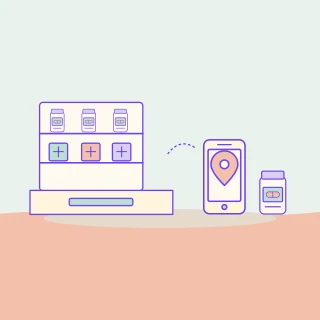
Medication in Moldova
Before relying on a refill in Moldova, confirm with a treatment service that it can accept you, which prescription and documents you need, and what you will pay. Visitor eligibility, coverage and ART prices are not confirmed. Use the city guides below to find local contacts.
After fleeing Ukraine in 2022 with a limited medication supply, a woman sought HIV care in Chișinău when it ran out. She later obtained monthly treatment nearer her home in Cimișlia, alongside psychological support. The account describes dependable care but continuing anxiety about HIV-related stigma.
A Moldovan woman recalls returning from work in Russia and learning she had HIV during the medical checks then required for marriage. She and her partner registered for treatment. After another unsuccessful period of work in Moscow, she returned to Moldova, where a peer group and a supportive relationship helped her. Her 2020 account also describes an upsetting disclosure incident in local healthcare.
A woman interviewed in January 2018 recalled receiving an HIV diagnosis while living in Russia as a non-citizen and later being told to leave because of her condition. Back in Transnistria, Moldova, a doctor and peer counsellor helped her begin treatment after years of avoiding care. This describes her historical experience.
After moving to Moldova in 2007 to join his spouse, a Russian national was refused temporary residence because he had HIV. He remained in the country and later obtained citizenship. A domestic court overturned the refusal in 2011; the European Court closed his case in 2020 after the government acknowledged the violation.
Moldova has no known HIV-specific entry restriction. Published UNHCR guidance describes access to ART for foreigners as well as citizens. Arrange registration with a receiving clinic and carry documented medication; current stock, appointments and associated charges still need checking.
The US State Department reports no known HIV-related entry restrictions for visitors or foreign residents in Moldova. Visa requirements and the permitted stay still depend on your passport. Check the ordinary immigration route rather than treating HIV status as a reason you cannot travel.
Before booking, decide whether you can bring the entire prescribed supply or will need local treatment. Keep a concise clinical summary with generic drug names and doses. If you need a local appointment, arrange it before the medication you bring runs low; border permission does not by itself arrange a prescription.
The Migration Inspectorate lists residence routes including work, study and family reunification. Choose the route matching your actual plans and confirm its documents before moving. For migrant-worker residence, the current instructions call for an application or extension at least 15 calendar days before the legal stay expires.
There is a specific administrative transition to check now: a 12 October 2026 notice pauses identity-document issuance at one-stop offices from 29 October through 3 November, with resumption planned for 4 November. Other services continue. The old e-migrare system stopped accepting work and investment applications after 16 October; ask IGM for the current submission route.
Do not assume an online application has been received merely because you started it on the old platform. Retain the official acknowledgement and ask how the transition affects your deadline. IGM’s published contact is +373 22 265 605 or migratie@mai.gov.md.
The current migrant-worker checklist includes the passport, employment contract, accommodation evidence and other status documents. It does not list a universal HIV test. An older Foreign Ministry page gives a different medical-document list; use the Migration Inspectorate’s current category instructions and resolve any additional request with that office.
For a study move, admission and residence permission are separate tasks. Ask your institution which residence documents and insurance arrangements apply to your nationality. Plan clinic registration and prescription collection alongside the academic calendar, including holidays when university offices may be closed. A student identification card alone does not arrange HIV treatment.
No known HIV-specific immigration restriction is reported in the current travel information. If an employer, school or intermediary asks for an HIV result, establish the purpose, the recipient and the official requirement before sending medical records. A clinical assessment to organise your treatment is different from a visa condition.
For help approaching services, Inițiativa Pozitivă offers accompaniment and psychosocial support, including help with confirmation, registration and starting treatment. It can help you prepare the conversation with the care team. It is a community organisation, not an immigration authority or a replacement for the prescribing clinician.
Arrival through an ordinary airport or controlled land crossing includes entry registration. If entering through the Transnistrian segment, separate registration is required within 72 hours. Check your exact crossing and documents before departure rather than assuming every route creates the same arrival record.
Transnistria has unpredictable checkpoints and limited consular assistance, and its Ukraine border is closed according to current US guidance. Do not choose an itinerary or treatment collection there solely because a directory lists a clinic. Check current route advice and arrange a viable alternative on the government-controlled side.
Moldovan Customs currently allows documented personal baggage supplies for chronic treatment up to 12 months at the prescribed dose. Prescription medicines must not exceed the quantity on the prescription. Carry the prescription or other medical evidence and check the exact ingredients: narcotic and psychotropic medicines have separate requirements.
This baggage allowance does not establish permission for a personal postal shipment. If you need clarification, contact Customs at +373 22 788 888 or callcenter@customs.gov.md. Keep medicines identifiable and organise a refill locally before relying on a parcel from home.
UNHCR’s HIV guide states that ART is free for Moldovan citizens and foreigners present in the country. Its directory lists SDMC in Chișinău, Costiujeni 5/1, on +373 22 794 205 or +373 22 794 179, and the Bălți service at Decebal 101 on +373 231 58760. Confirm the current registration and collection arrangements directly.
The published ART statement does not verify your exact regimen, immediate stock, appointment availability or the price of every consultation and laboratory test. Give the clinic your visitor or residence status, generic drug names and remaining supply. Ask what is covered and whether any additional services require payment.
Inițiativa Pozitivă’s own service page gives +373 22 009 974 and Cuza-Vodă 1/5, Chișinău. This is useful for support and navigating care; it does not establish that the office dispenses ART. Use that current address rather than the older address retained in some directories.
Moldova’s September 2026 announcement of its 2026–2030 HIV programme includes plans to strengthen access. Those plans are encouraging but are not evidence that every district hospital already supplies your medicine. Confirm the actual receiving team and collection point before changing your care arrangements.
Confirm the entry and residence route for your passport.
Carry the prescription matching your medication quantity.
Check IGM’s current application route and any dated service interruption.
Arrange the HIV appointment and collection point before your supply runs low.
Confirm costs separately for ART, consultations and laboratory tests.
Check the exact border crossing and avoid assuming Transnistrian routes work normally.
Common questions
Can I bring a longer supply of ART to Moldova?
Current Customs guidance permits a documented chronic-treatment supply up to 12 months in personal baggage, within the amount prescribed. Confirm separate rules for any controlled ingredients and do not apply the baggage rule to postal deliveries.
Where can I get help arranging HIV care in Moldova?
Use the HIV clinic contacts in the UNHCR directory for a clinical enquiry and Inițiativa Pozitivă for help navigating services. Confirm your regimen, registration and appointment before relying on a refill.
Help make travel easier for people living with HIV.
Everyone deserves to explore the world with confidence. Your support helps us verify travel rules, find local HIV care, and keep this information free for everyone.
Entry, HIV restrictions, registration and Transnistria information, including July 2026 travel advice. Passport-specific visa guidance is not universal. Sources checked 2026-10-28.
Current work-residence document list and submission timing. An older Foreign Ministry page lists different medical requirements and is not used as the current checklist. Sources checked 2026-10-28.
Notice published 12 October 2026: document issuance pause 29 October–3 November and closure of the old online work/investment application system. Sources checked 2026-10-28.
Current body cites 2025 medicines legislation and 2026 controlled-substance rules despite an older page header. Personal baggage, prescription evidence and separate controlled-drug rules. Sources checked 2026-10-28.
ART access information and Annex 2 clinic directory. The guide refers to 2022 protocols; contacts, registration, exact stock and visit arrangements require reconfirmation. Sources checked 2026-10-28.
Organisation’s own navigation, accompaniment and psychosocial support page. Its current Cuza-Vodă address replaces the older address in the UNHCR directory. Sources checked 2026-10-28.
Announcement dated 2 September 2026 describes the national programme and planned service expansion; a plan does not establish present medicine stock in every district. Sources checked 2026-10-28.
Research by the hiv.travel team. This is a practical research guide, not an individual medical assessment or an immigration decision. Requirements and availability can change.
Tourism information does not automatically cover transit or extended stays. Visa and medication rules may vary by passport and route.
Official-looking HIV-negative certificate requirements conflict with a reported repeal; currency is unresolved.
Residence, work and study permits may have different requirements. Visa and medication rules may vary by passport and route.
Research and editing: hiv.travel. The dates above record source checks, not medical review or the date a law changed. How we check
Underlying specialist sources have not all been independently rechecked. Missing information does not confirm permission. Personal experiences describe individual outcomes.