
Mixed
Relocation and care
After relocating to Luxembourg, he described thriving with HIV treatment and regular checks, despite discrimination from some dentists.
No HIV-specific entry restriction is reported for ordinary tourist visits.
Check the health questions on the forms for your passport and trip before applying. If a health question is unclear, ask the authority handling your application what information is required.
Before arranging a test, check the requirements for your exact visa and length of stay. Tourist entry and medical screening for work, study or residence can follow different rules.
Before travelling, confirm the permitted quantity of your exact ART and whether you need a prescription, doctor’s letter or import permit. A local clinic appointment does not authorise you to bring medicines across the border.
Confirm the requirements for your passport, visa and purpose of travel. Individual travellers’ experiences cannot establish how often HIV-related rules are enforced in Luxembourg.
No HIV-specific immigration restriction is reported. General visa requirements still apply.
No HIV-specific immigration restriction is reported. General visa requirements still apply.
Source ↗Before accepting a job or study place, check the medical documents for your exact permit. Arrange healthcare enrolment separately: permission to live in Luxembourg does not automatically cover your treatment costs.
Confirm the permitted quantity of your ART and any prescription or import-permit requirements before you move. A residence permit does not itself authorise medicine import; arrange local care separately for your ongoing supply.
Before relying on a refill in Luxembourg, confirm with a treatment service that it can accept you, which prescription and documents you need, and what you will pay. Visitor eligibility, coverage and ART prices are not confirmed. Use the city guides below to find local contacts.
After relocating to Luxembourg, he described thriving with HIV treatment and regular checks, despite discrimination from some dentists.

Luxembourg has no reported HIV-specific entry or residence ban. Many third-country residence applicants need a medical check, but the official checklist expressly excludes HIV from its STI blood testing. Ongoing HIV care is organised through the CHL national infectious-diseases service; confirm insurance and the prescription arrangements before depending on a local refill.
Sources: Positive Destinations: Luxembourg · Guichet: medical check for third-country nationals · Health Ministry: HIV clinical and support services
Positive Destinations’ July 2026 review found no HIV-specific restriction on entry, short stays or residence. Normal visa and travel-document requirements still apply. If you need only a holiday supply, prepare it with your prescriber and carry evidence that the medicine is for your own treatment.
For a visitor who needs care, CNS distinguishes medically necessary treatment during a temporary stay from travelling specifically for planned treatment. An EHIC can support necessary care on the same terms as local insurance; planned treatment may require prior authorisation. Ask your home insurer which arrangement applies to the refill you expect to need.
Sources: Positive Destinations: Luxembourg · CNS: healthcare for people insured abroad · Guichet: importing goods into Luxembourg
Guichet’s medical-check guidance, updated in October 2026, covers many third-country nationals moving for more than three months. It requires a medical examination and tuberculosis screening, with exceptions including qualifying family members of EU citizens and certain long-term residents of another member state.
The examination’s STI blood-test provision expressly excludes HIV/AIDS. The final certificate sent to immigration contains no medical data; it states whether the residence health conditions are met. Completing a required examination still matters: refusing it can prevent the permit being granted.
Book the examination early and budget for it, because the applicant pays the examination and certificate costs. Separately arrange ongoing HIV care. When renewing or changing employment, verify your insurance dates with the relevant fund so that a change of administrative status does not leave a treatment plan unresolved.
Sources: Guichet: medical check for third-country nationals · CNS: healthcare for people insured abroad · Health Ministry: HIV clinical and support services
For a third-country salaried-worker application, Guichet describes a two-stage process: obtain the temporary authorisation to stay before entry, and a D visa if required; after arrival, declare your arrival, complete the medical check and apply for the residence permit. Exceptions depend on existing status, so use the checklist for your actual route.
Healthcare registration is a separate step. CNS explains that people working in Luxembourg are compulsorily affiliated with CNS or the appropriate public-sector fund. Ask your employer for registration confirmation and check the effective date before arranging care on the assumption that it is covered.
Foreign students who are not covered through their home country or another eligible arrangement must enrol with the Joint Social Security Centre, CCSS. Guichet describes a student-insurance application using identity and enrolment evidence; the registration letter confirms the start date and contribution. Ask the institution which route fits your circumstances.
Sources: Guichet: third-country salaried workers · CNS: medical care and affiliation · Guichet: student health-insurance registration
An immigration medical certificate is not your HIV treatment record. Share the clinical information needed for safe care with the treating team, and ask how to transfer it securely. A useful summary includes generic drug names, doses, prior changes, allergies and recent monitoring results.
Free anonymous HIV testing and ongoing treatment registration are different services. The Health Ministry describes specialist medical consultations for people living with HIV and nursing consultations for treatment education and adherence. Tell the booking team that your purpose is continued ART if you already have a diagnosis.
Sources: Guichet: medical check for third-country nationals · Health Ministry: HIV clinical and support services
Guichet’s import guidance exempts medicine needed by the traveller from its general medicine restriction. The Health Ministry recommends carrying a prescription copy for non-controlled medicines. Keep identifiable packaging and a medicine letter matching your name, prescribed product and quantity.
Confirm the permitted amount of your specific ART with the medicines authority or customs before travel. No fixed number of months is confirmed in the cited guidance, and the import page is marked as being updated.
Controlled medicines, including some opioid-substitution treatments and pain medicines, have additional documentation rules. The Ministry’s January 2026 guidance advises incoming travellers with such medicines to carry a recent prescription and a medical certificate approved by their home-country authorities. Check those separately from ordinary HIV medicine.
Sources: Guichet: importing goods into Luxembourg · Health Ministry: travelling with medicines
The Centre Hospitalier de Luxembourg’s Service National des Maladies Infectieuses is the national HIV clinical route. For a medical appointment, CHL publishes +352 4411 3091 and sec.malinf@chl.lu. Ask for an appointment to transfer established HIV treatment and confirm the current CHL Centre entrance.
CHL also offers nursing consultations for treatment adherence. Its service page lists +352 4411 8348 or +352 4411 6306 for nursing appointments, at Unit 20 on the second floor. A nursing or testing appointment does not establish that an ART prescription can be issued at the same visit.
Before your supply runs low, confirm whether the service can continue your exact medicine, where it will be dispensed and what insurance documentation is needed. Bring a clinical summary and ask about any product-specific approval. Current stock, individual prices and immediate visitor appointments still need confirmation from the service.
Sources: CHL: National Infectious Diseases Service appointments · CHL: infectious-diseases team and contact · Health Ministry: HIV clinical and support services · CNS: medicines and medical devices
Positive Destinations describes ART as free for people affiliated with Luxembourg social security. CNS’s primary guidance makes reimbursement dependent on the medicine and the applicable coverage rules. Confirm your exact regimen with CHL and CNS rather than applying a general reimbursement percentage to every medicine or service.
For visitors without an EHIC or a relevant bilateral form, CNS says medical costs are paid by the patient, who may seek reimbursement under their home-country rules. Contact CNS on +352 27 57 1 about entitlement; ask the hospital for consultation, monitoring and medicine costs separately.
If registration, costs or the move are difficult to manage, HIV Berodung at the Luxembourg Red Cross offers psychosocial support. Its contact is +352 2755 4500 at 94 boulevard du Général Patton. It can be a support contact alongside the clinical service; it is not an ART dispensing pharmacy.
Sources: Positive Destinations: Luxembourg · CNS: medicines and medical devices · CNS: healthcare for people insured abroad · Luxembourg Red Cross: HIV Berodung
The official medical-check checklist explicitly excludes HIV/AIDS from the STI blood-testing provision. Other parts of the examination and tuberculosis screening can still be mandatory for the applicable residence route.
No such general entitlement follows from testing access. Treatment funding depends on your insurance or other eligibility. Arrange the clinical prescription and confirm coverage with CHL and the relevant insurer.
Sources: Health Ministry: HIV clinical and support services · CNS: healthcare for people insured abroad · Positive Destinations: Luxembourg
Everyone deserves to explore the world with confidence. Your support helps us verify travel rules, find local HIV care, and keep this information free for everyone.
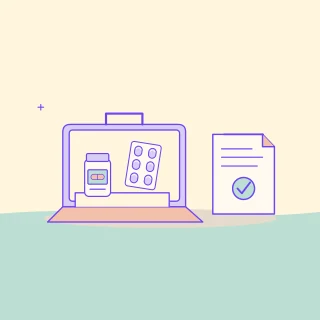
Pack the complete regimen, prepare medicine documents and check import rules, including Biktarvy, Dovato and Descovy.
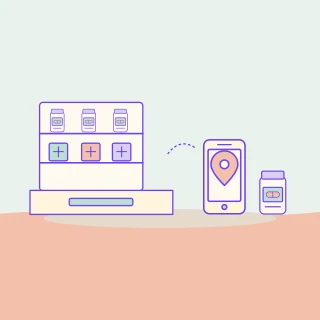
Confirm visitor access, prescriptions, the complete regimen and payment before your travel supply runs out.

Compare medical acceptance, residence rules and medication benefits. Keep a written answer for each part of your trip.

Tourist visits, work visas and residence explained.
Travel sources checked 2026-10-11. Updated by Positive Destinations: Jul 2026.
Specialist secondary source · Jul 2026
Full review read: no reported HIV-specific entry/stay restriction; ART described as free for social-security affiliates. Universal visitor funding not inferred. Sources checked 2026-10-28.
Complete official checklist read: relevant third-country stays over three months, exceptions, applicant fees, TB check, express HIV exclusion, final certificate without medical data and consequence of refusing required exam. Sources checked 2026-10-28.
Full relevant application stages read: pre-entry authorisation, D visa when required, declaration of arrival, medical and residence application. Fees, old permit durations and labour-market timing not repeated. Sources checked 2026-10-28.
Affiliation and reimbursement passages read. Employment leads to compulsory affiliation with CNS or competent public-sector fund. General outpatient reimbursement rates not represented as a bespoke HIV bill. Sources checked 2026-10-28.
Complete student-registration sections read: home coverage/co-insurance versus CCSS enrolment, identity and student certificate, enrolment letter setting cover date and contribution. No old contribution amount repeated. Sources checked 2026-10-28.
Full page read: specialist HIV medical consultations and adherence nursing at SNMI; Red Cross counselling role and phone. Anonymous testing not treated as ART dispensing. Sources checked 2026-10-28.
Restricted-goods section read: human medicines except traveller-required medicine. Page explicitly marked being updated. No numerical ART supply limit established or invented. Sources checked 2026-10-28.
Full French guidance read: prescription recommended for ordinary medicines; incoming controlled-medicine travellers advised prescription and approved medical certificate. Outgoing-resident certificate procedure not generalised to ART. Sources checked 2026-10-28.
Medical and nursing appointment sections read: 4411 3091, secretary email, nursing 4411 8348/6306 at second-floor Unit 20. Current appointment availability unknown. Sources checked 2026-10-28.
Full contact entry read: CHL Centre, +352 4411 3091 and sec.malinf@chl.lu. Corroborates service appointment route. Sources checked 2026-10-28.
Positive-list and medicine-specific reimbursement conditions read; no blanket 100% ART rate or visitor eligibility inferred. Sources checked 2026-10-28.
Full visitor, S1/BL1 and planned-treatment sections read. EHIC necessary care, bilateral forms, self-payment without forms, S2 prior authorisation and +352 27 57 1 contact distinguished. Sources checked 2026-10-28.
Service and contact sections read: psychosocial support, 94 boulevard Général Patton and 2755 4500. Support role distinct from prescription or dispensing. Sources checked 2026-10-28.
Research by the hiv.travel team. This is a practical research guide, not an individual medical assessment or an immigration decision. Requirements and availability can change.
Tourism information does not automatically cover transit or extended stays. Visa and medication rules may vary by passport and route.
Residence, work and study permits may have different requirements. Visa and medication rules may vary by passport and route.
Research and editing: hiv.travel. The dates above record source checks, not medical review or the date a law changed. How we check
Underlying specialist sources have not all been independently rechecked. Missing information does not confirm permission. Personal experiences describe individual outcomes.