Australia

HIV entry requirements

Conditions or unclear rules

No general HIV entry ban is described. Health assessments may still apply to your visa.

Must I disclose HIV?
Check your visa and arrival forms

Check the health questions on the forms for your passport and trip before applying. If a health question is unclear, ask the authority handling your application what information is required.

Is an HIV test required?
Check your visa’s medical requirements

Before arranging a test, check the requirements for your exact visa and length of stay. Tourist entry and medical screening for work, study or residence can follow different rules.

Can I bring HIV medication?
Check quantity and paperwork

Before travelling, confirm the permitted quantity of your exact ART and whether you need a prescription, doctor’s letter or import permit. A local clinic appointment does not authorise you to bring medicines across the border.

What is known about enforcement?
Your border outcome cannot be predicted

Confirm the requirements for your passport, visa and purpose of travel. Individual travellers’ experiences cannot establish how often HIV-related rules are enforced in Australia.

Residence, work & study

Conditions or unclear rules

Permanent visas usually require HIV testing and an individual health-cost assessment; waivers exist for some routes. This is not a universal refusal.

Visa and medical screening
Conditions apply

Permanent visas usually require HIV testing and an individual health-cost assessment; waivers exist for some routes. This is not a universal refusal.

Source ↗
Work and study permits
Check the requirements for your permit

Before accepting a job or study place, check the medical documents for your exact permit. Arrange healthcare enrolment separately: permission to live in Australia does not automatically cover your treatment costs.

Source ↗
Bringing HIV medication
Check import rules before moving

Confirm the permitted quantity of your ART and any prescription or import-permit requirements before you move. A residence permit does not itself authorise medicine import; arrange local care separately for your ongoing supply.

Medication in Australia

Conditions apply

Queensland’s programme excludes short-stay tourists of three months or less. Eligibility requires Australia to be the person’s usual home, residence beyond a short stay and appropriate outpatient care in a public health service. Melbourne Sexual Health Centre offers free clinic services to international visitors without insurance; this does not establish free ART or cover fees for outside referrals.[1][2]

Cost & coverage
Queensland’s eligible programme patients receive free ART through public hospital pharmacies and free public outpatient HIV care. This does not cover short-stay tourists, private care or inpatient care. Melbourne Sexual Health Centre offers free clinic services to international visitors without insurance; this does not establish free ART or cover fees for outside referrals.[1][2]
Doctor & prescription
For the Queensland programme, an authorised Australian s100 prescriber must issue the programme prescription; a public hospital pharmacy dispenses it. An overseas prescription alone is not the programme’s dispensing route.[1]
Available treatments
Australia lists prescription Biktarvy (BIC/FTC/TAF) and Dovato (DTG/3TC). Biktarvy’s PBS listing was verified in October 2026. These national listings do not confirm a local pharmacy’s stock or a tourist’s eligibility for subsidised treatment.[1][2]
NAPWHA — HIV Treatment for AllReferral & support1800 259 666 (within Australia)

Helps locate state treatment pathways. Queensland’s official programme rules exclude short-stay tourists; do not rely on a travel visa alone.

Melbourne Sexual Health CentreTreatment service

Free clinic services for international visitors without health insurance. Appointments are required. ART dispensing costs and stock are not confirmed; external referrals may charge.

HIV care by city in Australia

Browse all 5 city guides in Australia

Travel experiences

All 63 experiences

Australia: visiting and moving with HIV

Visiting Australia with HIV: entry, medication and care

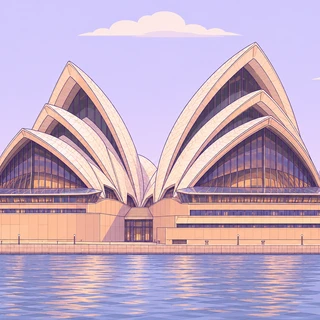
The white shells of the Sydney Opera House beside the harbour.

The short answer

Yes, a holiday in Australia with HIV is possible. Short temporary stays normally do not need health examinations, although medical circumstances can trigger an assessment. You can usually bring up to three months of prescribed medicine under the traveller’s exemption. A free clinic visit and free ART are different benefits: neither follows automatically from holding a tourist visa.

Sources: Home Affairs — required health examinations · TGA — travelling with medicines · Melbourne Sexual Health Centre — visiting the clinic · Queensland Health — Medicare-ineligible HIV protocol

Carried medicine
Up to three months under the traveller’s exemption, with the required documents.

Sources: TGA — travelling with medicines

Routine holiday medical
Usually not required for stays under six months; exceptions apply.

Sources: Home Affairs — required health examinations

Free ART for every tourist
No. Queensland’s Medicare-ineligible programme excludes tourists.

Sources: Queensland Health — Medicare-ineligible HIV protocol

Will a short trip require an HIV test?

Home Affairs generally lists no health examination for temporary stays under six months unless special circumstances apply. It also considers the visa, planned activities, TB risk and significant medical conditions. This is not a promise that every applicant with HIV will avoid assessment.

Healthcare work or training can trigger HIV testing, and permanent/provisional visas follow different rules. Use the examination request issued for your application; a short tourist visit should not be assessed using a permanent-migration checklist.

Sources: Home Affairs — required health examinations

What can I bring through customs?

The traveller’s exemption normally allows up to three months of medication for you or an immediate family member travelling with you. Keep the original packaging and bring a prescription or doctor’s letter. The medicine must not be supplied or sold to somebody else.

Australian Border Force asks for an English prescription copy or doctor’s letter, medicine in accompanied baggage, and declaration on arrival. These conditions cover ordinary prescribed ART; separately restricted ingredients still have their own requirements.

Sources: TGA — travelling with medicines · Australian Border Force — medicines and substances

Can a visitor get Medicare?

Sometimes. Australia has reciprocal healthcare agreements with 11 countries, covering medically necessary care for eligible visitors. Eligibility and benefits depend on the particular agreement, so nationality alone is not the answer.

For example, the UK agreement requires you to have been living in the UK before arriving. It does not cover a trip made for medical treatment. Evidence of UK residence and Medicare enrolment matter; this is different from simply carrying a British passport.

Sources: Services Australia — reciprocal healthcare agreements · Services Australia — visitors from the UK

Does the Medicare-ineligible HIV programme cover tourists?

Queensland’s published protocol excludes short-stay visitors and tourists. Eligible patients must make Australia their usual home, stay beyond three months and receive appropriate public outpatient HIV care. Booking a four-month holiday does not by itself establish eligibility.

For people who qualify, programme ART is dispensed through public hospital pharmacies. Private care and inpatient care are outside this programme. Other states operate their own access pathways, so Queensland’s rules should not be presented as a promise from every Australian clinic.

Sources: Queensland Health — Medicare-ineligible HIV protocol

Where can I go if I need HIV care or more tablets?

The Office of Drug Control describes the local refill route: see an Australian registered prescriber, obtain an Australian prescription, then use an Australian pharmacy. A letter supporting medicine in your luggage is not the same as a local dispensing prescription.

Melbourne Sexual Health Centre lists HIV care and says its services are free for international visitors without health insurance. It now uses appointments rather than walk-ins. This verifies clinic access, not free dispensing of your specific ART. External referrals can cost extra, and no current visitor ART price or stock list is published on that page.

Sources: Office of Drug Control — travelling with medicine · Melbourne Sexual Health Centre — visiting the clinic

Can I move to Australia with HIV?

Australian terrace houses and a Melbourne-inspired city skyline.

The short answer

Moving to Australia with HIV can be possible, but approval depends on your visa and health assessment. Having a medical condition does not automatically mean you exceed the cost threshold. If you do not meet the health requirement, only some visa subclasses allow a health waiver, and it must be granted for your individual case.

Sources: Home Affairs — significant healthcare costs · Home Affairs — health waivers

Published cost threshold
A$86,000 across the assessed period, not per year (October 2026 amount).

Sources: Home Affairs — significant healthcare costs

HIV testing
Generally part of permanent and provisional visa medicals from age 15.

Sources: Home Affairs — required health examinations

Health waiver
Available only for some visa subclasses; no automatic approval.

Sources: Home Affairs — health waivers

What does the medical assessment consider?

A Medical Officer of the Commonwealth assesses the condition, its severity and expected services. For the medical opinion, the officer uses the needs of a hypothetical person with the same condition and severity. Private insurance or money to pay privately does not remove those costs from that assessment.

Your medical assessment and any later waiver decision are different stages: personal circumstances can matter in a waiver submission even though they do not change this initial medical costing.

Sources: Home Affairs — the health requirement · Home Affairs — health waivers

How is the A$86,000 threshold applied?

Temporary-visa costs are assessed for the intended stay. Permanent and provisional applicants are generally assessed over five years, or three if aged 75 or older. For an ongoing condition with a predictable course, the period can extend to remaining life expectancy, capped at ten years.

The same A$86,000 threshold is compared with that period’s estimated cost. It is not an annual allowance or a payment that buys eligibility.

Sources: Home Affairs — significant healthcare costs

How do I arrange the visa medical?

Home Affairs supplies the required examinations and a HAP ID. Use that ID to book Bupa Medical Visa Services inside Australia, or an approved panel clinic overseas. A normal appointment with your own doctor does not replace the immigration examination.

Permanent and provisional applicants aged 15 or over generally need an HIV test alongside other examinations. Answer the medical-history questions accurately and provide any further evidence requested through your application. If you cannot meet the examination deadline, notify Home Affairs through ImmiAccount.

Sources: Home Affairs — arranging health examinations · Home Affairs — required health examinations

What happens if I need a health waiver?

There is no separate waiver application to submit upfront. If your subclass permits a waiver and you fail the health requirement, the processing officer contacts you and requests a formal submission. You must also meet the visa’s other eligibility criteria.

The submission can explain how potential costs or service use would be reduced and any compassionate circumstances. The decision is individual. A waiver is unavailable for active tuberculosis or a public-health threat; meeting the visa’s health rules is not guaranteed by an HIV treatment response.

Sources: Home Affairs — health waivers

Can I access ART without Medicare?

In Queensland, this pathway is for people with HIV who cannot access Medicare and make Australia their usual home for a stay of more than three months. Short-stay visitors and tourists are excluded. Eligible patients receive HIV outpatient care and PBS-listed ART through public sexual-health or hospital services.

Medication is dispensed through public hospital pharmacies. Private care, hospital admission and unrelated conditions are not covered by this program. Other states and territories run the program differently. Contact the receiving public HIV clinic to arrange enrolment and your first prescription.

Sources: Queensland Government — accessing HIV treatment · Queensland Health — Medicare-ineligible HIV care protocol

Common questions

Does private insurance guarantee that I pass the health requirement?

No. It does not change the Medical Officer’s initial assessment of the services someone with your condition would need.

Sources: Home Affairs — the health requirement

Can every Australian visa applicant request a health waiver?

No. The visa subclass must allow it. Where available, the processing officer invites a submission; a waiver is not guaranteed.

Sources: Home Affairs — health waivers

Help make travel easier for people living with HIV.

Everyone deserves to explore the world with confidence. Your support helps us verify travel rules, find local HIV care, and keep this information free for everyone.

Additional Resources

Notes

Travel sources checked 2026-10-11. Updated by Positive Destinations: Jun 2026.

Sources & notes

  1. Positive Destinations · Australia ↗

    Specialist secondary source · Jun 2026

  2. health.qld.gov.au ↗

    Medication contacts checked 2026-10-23.

    Effective 14 August 2025; checked 23 October 2026. Usual residence, more-than-three-month requirement, tourist exclusion and public-care dispensing. Sources checked 2026-10-23.

    Programme eligibility and definition of usual residence; short stays of three months or less, tourists and inpatient care are excluded. Sources checked 2026-10-22.

  3. healthdirect.gov.au ↗

    Medication contacts checked 2026-10-23.

  4. safetyandquality.gov.au ↗

    Medication contacts checked 2026-10-23.

  5. Melbourne Sexual Health Centre ↗

    Medication contacts checked 2026-10-23.

    Checked 23 October 2026. Free services for international visitors, HIV care, appointments and possible external-referral charges; does not specify ART dispensing cost. Sources checked 2026-10-23.

  6. Home Affairs — required health examinations ↗

    Checked 23 October 2026. Temporary-stay assessment, special medical circumstances and occupation-triggered HIV testing. Sources checked 2026-10-23.

  7. TGA — travelling with medicines ↗

    Updated 12 September 2025; checked 23 October 2026. Three-month traveller’s exemption and conditions. Sources checked 2026-10-23.

  8. Australian Border Force — medicines and substances ↗

    Checked 23 October 2026. Accompanied baggage, English prescription or letter, packaging and declaration. Sources checked 2026-10-23.

  9. Services Australia — reciprocal healthcare agreements ↗

    Checked 23 October 2026. Agreements with 11 countries for eligible visitors’ medically necessary care. Sources checked 2026-10-23.

  10. Services Australia — visitors from the UK ↗

    Checked 23 October 2026. Prior UK residence, documentation and medical-treatment-travel exclusion; example specific to this agreement. Sources checked 2026-10-23.

  11. Office of Drug Control — travelling with medicine ↗

    Updated 28 April 2026; checked 23 October 2026. Australian prescriber and prescription route for additional medication. Sources checked 2026-10-23.

  12. Home Affairs — the health requirement ↗

    Medical Officer assessment, hypothetical-person basis and the limits on considering private insurance or personal finances. Sources checked 2026-10-22.

  13. Home Affairs — significant healthcare costs ↗

    A$86,000 published threshold and temporary, permanent and ongoing-condition assessment periods; verified 22 October 2026. Sources checked 2026-10-22.

  14. Home Affairs — required health examinations ↗

    Age-based examinations for permanent and provisional visa applicants, including HIV screening from age 15. Sources checked 2026-10-22.

  15. Home Affairs — arranging health examinations ↗

    HAP ID, Bupa in Australia, approved overseas panel clinics and requesting more time through ImmiAccount. Sources checked 2026-10-22.

  16. Home Affairs — health waivers ↗

    Eligible-subclass restriction, officer invitation, formal submission, individual consideration and exclusions. Sources checked 2026-10-22.

  17. Queensland Government — accessing HIV treatment ↗

    Medicare-ineligible resident pathway, Queensland public services and pharmacy requirements, tourist and other-care exclusions. Sources checked 2026-10-22.

Research by the hiv.travel team. This is a practical research guide, not an individual medical assessment or an immigration decision. Requirements and availability can change.

Tourism information does not automatically cover transit or extended stays. Visa and medication rules may vary by passport and route.

Residence, work and study permits may have different requirements. Visa and medication rules may vary by passport and route.

Research and editing: hiv.travel. The dates above record source checks, not medical review or the date a law changed. How we check

Underlying specialist sources have not all been independently rechecked. Missing information does not confirm permission. Personal experiences describe individual outcomes.

Suggest a correction →
Contribute

Cookie settings

Optional cookies help us understand how people use the site so we can improve it. You can turn them off or allow statistics only. Session recordings are currently disabled. You can change your choice anytime. Privacy details

Current choice: off.