The short answer
A person on HIV treatment who maintains an undetectable viral load has zero risk of transmitting HIV through sex. That is U=U. An isolated detectable result needs context: a “blip” is a temporary rise followed by suppression again, not a diagnosis you can make from the first result alone.
Sources: CDC — Undetectable = Untransmittable ↗ · NIH — virologic failure ↗
In this guide
What U=U tells you
U=U is evidence about sexual transmission when viral suppression is maintained on treatment. It is not a cure, and it does not prevent other sexually transmitted infections. Keep taking treatment and attending the monitoring agreed with your clinic.
The statement should not be extended automatically to breastfeeding or sharing injecting equipment: those need their own guidance. If you are planning pregnancy or feeding, ask for care tailored to that situation.
The treatment-as-prevention threshold in NIH counselling is maintained HIV RNA below 200 copies/mL, including measurable values below 200. A sensitive assay reporting a small number below its usual undetectable threshold does not automatically cancel U=U. Ask the team to interpret the exact value and whether suppression is being maintained.
Sources: CDC — Undetectable = Untransmittable ↗ · CDC — treating HIV ↗ · NIH: baseline evaluation and treatment prevention counselling ↗
A laboratory threshold is not the whole story
Modern tests can detect very small amounts of HIV RNA. A lab’s detection limit and the clinical threshold used to assess treatment failure are different concepts. NIH defines virologic failure as inability to achieve or maintain HIV RNA below 200 copies/mL; a clinician interprets repeated results rather than treating every detectable signal as failure.
“Detected below the limit of quantification” means the assay found a signal too low to give a reliable numeric amount. It is not the same wording as “not detected”, but neither phrase by itself establishes treatment failure. Keep the full result, including the assay’s reporting limit, instead of reducing it to a red or green portal flag.
Sources: NIH — virologic failure ↗ · NIH: plasma HIV RNA and CD4 monitoring ↗
When is a detectable result a blip?
A blip is an isolated detectable result after suppression that is followed by suppression again. These are not usually associated with treatment failure. Persistent low-level viraemia or repeated higher results need a different assessment.
Do not stop, double or change ART because of one result. Ask when to repeat the test and whether a medicine interaction, missed doses, absorption problem or another factor needs review.
Sources: NIH — virologic failure ↗ · CDC — treating HIV ↗
One result and a pattern are different findings
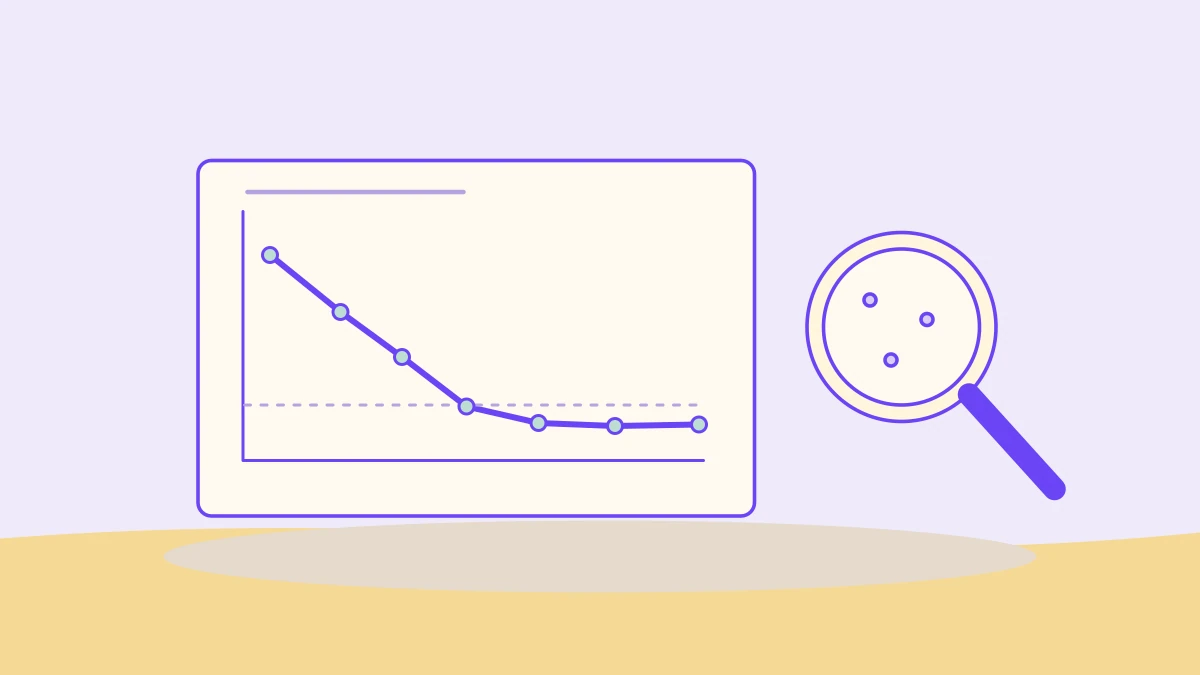
An illustrative sequence might be “not detected”, then a low detectable value, then suppression again. The later result makes it possible to describe the middle result as a blip. When only the middle result is available, arrange the follow-up rather than labelling it certain failure or a certain harmless blip.
Repeated values below 200 copies/mL are a different pattern from an isolated result. They usually do not automatically require a treatment change, but they do deserve the monitoring and medication review your HIV team recommends. Confirmed rebound at or above 200 copies/mL warrants a different clinical assessment.
Ask the clinic to put three things in the plan: the date of the repeat sample, who will review it and what to do about medication access in the meantime. If you cannot obtain ART, report that immediately rather than waiting for the repeat result.
Sources: NIH — virologic failure ↗ · NIH: plasma HIV RNA and CD4 monitoring ↗
A calm, concrete follow-up
Write down the number, units and collection date, then contact the HIV team. “My result says detectable” leaves out information the clinician needs.
- What was the exact value, and how does it compare with my previous results?
- Is a repeat needed earlier than my normal appointment?
- Should we review other medicines, antacids or supplements?
- Does this result change any prevention advice for me while we clarify it?
Keep treatment and follow-up connected
If remembering doses, side effects or paying for refills has become difficult, say so directly. The useful response is help with the obstacle. A repeat test without resolving a supply problem is not a complete plan.
Sources: CDC — treating HIV ↗
Common questions
Does undetectable mean I no longer have HIV?
No. ART suppresses HIV but does not eliminate it. Continuing effective treatment maintains its health and prevention benefits.
Sources: CDC — treating HIV ↗
Does a blip prove I missed a dose?
No. A single result does not establish its cause. Review the trend and medication history with the team without assuming blame or making your own regimen changes.
Sources: NIH — virologic failure ↗
Should I compare a result from a different laboratory directly with my old one?
Bring both complete reports to the clinician. Collection dates, units, assay reporting limits and the treatment history matter; a change in wording alone is not evidence of worsening HIV.