Mixed
Cameroon relocation
A 2011 testimony describes HIV-related family rejection and relocation from Kribi to Douala.
No HIV-specific entry restriction is reported for ordinary tourist visits.
Check the health questions on the forms for your passport and trip before applying. If a health question is unclear, ask the authority handling your application what information is required.
Before arranging a test, check the requirements for your exact visa and length of stay. Tourist entry and medical screening for work, study or residence can follow different rules.
Before travelling, confirm the permitted quantity of your exact ART and whether you need a prescription, doctor’s letter or import permit. A local clinic appointment does not authorise you to bring medicines across the border.
Confirm the requirements for your passport, visa and purpose of travel. Individual travellers’ experiences cannot establish how often HIV-related rules are enforced in Cameroon.
Residence, work and study requirements need further clarification.
Residence, work and study requirements need further clarification.
Source ↗A private visa service claims testing, while cited government material does not; the contradiction is unresolved.
Source ↗Confirm the permitted quantity of your ART and any prescription or import-permit requirements before you move. A residence permit does not itself authorise medicine import; arrange local care separately for your ongoing supply.
Before relying on a refill in Cameroon, confirm with a treatment service that it can accept you, which prescription and documents you need, and what you will pay. Visitor eligibility, coverage and ART prices are not confirmed. Use the city guides below to find local contacts.

HIV support and referral information for Yaoundé, with the treatment-access gaps to resolve before relying on a local refill.
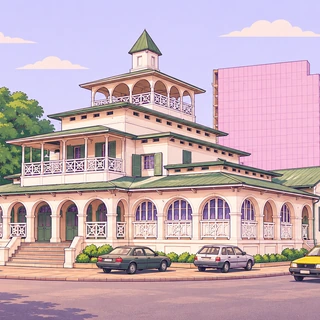
Which hospital should I call before going for a refill?

Where do I go for medication or for a blood test?

Which hospital name should I give when asking for directions?
A 2011 testimony describes HIV-related family rejection and relocation from Kribi to Douala.
A 2018 UNHCR account follows a refugee family who arrived in Cameroon in 2005. After their mother died, a local woman adopted the two daughters, both living with HIV. The younger child later died following delayed recognition of her illness; the older daughter continued treatment and attended school with her adoptive mother’s support.
Everyone deserves to explore the world with confidence. Your support helps us verify travel rules, find local HIV care, and keep this information free for everyone.
Pack the complete regimen, prepare medicine documents and check import rules, including Biktarvy, Dovato and Descovy.

Confirm visitor access, prescriptions, the complete regimen and payment before your travel supply runs out.

Compare medical acceptance, residence rules and medication benefits. Keep a written answer for each part of your trip.

Tourist visits, work visas and residence explained.
Travel sources checked 2026-10-11. Updated by Positive Destinations: Jun 2026.
Specialist secondary source · Jun 2026
Research by the hiv.travel team. This is a practical research guide, not an individual medical assessment or an immigration decision. Requirements and availability can change.
Tourism information does not automatically cover transit or extended stays. Visa and medication rules may vary by passport and route.
A private visa service claims testing, while cited government material does not; the contradiction is unresolved.
Residence, work and study permits may have different requirements. Visa and medication rules may vary by passport and route.
Research and editing: hiv.travel. The dates above record source checks, not medical review or the date a law changed. How we check
Underlying specialist sources have not all been independently rechecked. Missing information does not confirm permission. Personal experiences describe individual outcomes.